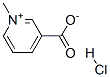

19213-70-8


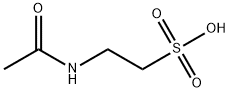
N-Acetyltaurine is a sulfonate compound that serves as a carbon/nitrogen source and energy source for microbial growth. It is also utilized as a substrate in enzymology research, particularly for studying amidase enzymes.
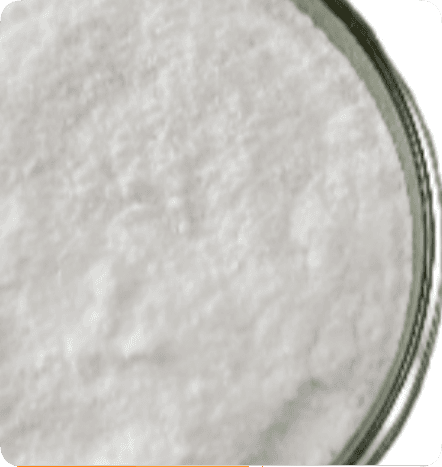
N-Acetyltaurine is an amino sulfonic acid derivative formed by the acetylation of taurine at the nitrogen atom . It presents as a white to off-white solid with a melting point of 181-183°C . The compound exhibits solubility in methanol and water, with a molecular weight of 167.18 . As a sulfonate, N-Acetyltaurine plays a significant role in microbial metabolism—it can be utilized by specific bacterial strains (such as Delftia acidovorans NAT) as a sole source of fixed nitrogen or carbon . The degradation pathway involves cleavage by a highly active amidase, yielding acetate and taurine, which is further metabolized via taurine dehydrogenase to ammonium and sulfoacetaldehyde . Additionally, N-Acetyltaurine serves as a substrate for porcine kidney N-acetyl-β-alanine deacetylase (EC 3.5.1.21), making it valuable for enzymological studies . For research purposes, it should be stored under refrigerated conditions .
Melting point: 181-183°C
Density: 1.404±0.06 g/cm3(Predicted)
Storage temp.: Refrigerator
Solubility: Methanol (Slightly), Water (Slightly)
Form: Solid
Pka: 1.39±0.50
Color: White to Off-White
1.Microbiological Research: N-Acetyltaurine is employed as a growth substrate for studying microbial metabolism and degradation pathways. It serves as a carbon source, nitrogen source, and energy source for specialized bacterial strains such as Delftia acidovorans NAT, enabling investigation of sulfonate assimilation and desulfonation mechanisms.
2.Enzymology and Biochemical Research: The compound functions as a substrate for amidase enzymes, particularly porcine kidney N-acetyl-β-alanine deacetylase (EC 3.5.1.21), facilitating studies on enzyme kinetics, substrate specificity, and catalytic mechanisms . It is also available as an analytical standard for qualitative and quantitative research experiments using HPLC, GC, and MS methodologies.
Vous souhaitez tester nos ingrédients ? Demandez des échantillons gratuits pour évaluer leur qualité et leurs performances dans vos formulations.