
111-02-4


Squalene is a natural triterpene widely used as an immunomodulator for treating hypercholesterolemia and leukopenia, and as a key component of vaccine adjuvants to enhance immune responses . It also serves as an antioxidant and moisturizer in cosmetics and functional foods, protecting skin from UV damage and extending product shelf life.
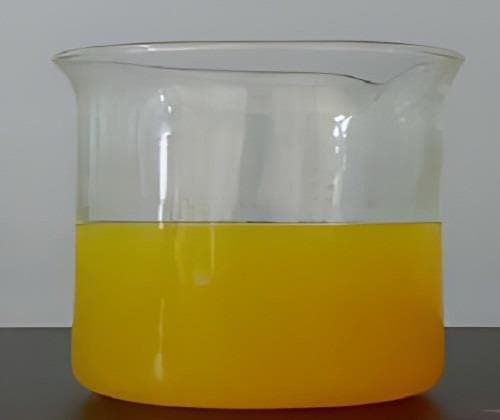
Squalene, also known as 2,6,10,15,19,23-hexamethyl-2,6,10,14,18,22-tetracosahexaene, is a polyunsaturated triterpene composed of six isoprene units in an all-trans configuration . It appears as a colorless to pale yellow oily liquid with a characteristic fish oil odor, melting at -75 °C and boiling at 240-242 °C under reduced pressure. It is insoluble in water but freely miscible with organic solvents including ether, chloroform, acetone, and petroleum ether . The compound is highly unstable due to its six double bonds, readily undergoing oxidation when exposed to air—a property that underlies both its potent antioxidant activity and its tendency to degrade . Squalene is widely distributed in nature, with the richest sources being deep-sea shark liver oil (where it was first discovered), as well as plant oils such as olive oil, amaranth oil, and rice bran oil . In humans, squalene is an intermediate in cholesterol biosynthesis, formed from farnesyl pyrophosphate and converted to lanosterol; it is transported in blood primarily via VLDL and LDL, and is highly concentrated in skin surface lipids where it accounts for approximately 12% of total lipids . Pharmacologically, squalene enhances oxygen utilization, activates adenylate cyclase, increases superoxide dismutase activity, and promotes steroid hormone synthesis . It exhibits strong antioxidant properties by scavenging free radicals and inhibiting lipid peroxidation, while also modulating immune function and suppressing inflammatory mediators . Clinically, squalene is used to improve cardiac function, alleviate hypoxia, and support recovery during radiotherapy or chemotherapy . As a vaccine adjuvant—particularly in formulations like MF59 and AS03—it enhances antigen presentation, promotes dendritic cell maturation, and stimulates both humoral and cellular immunity . Safety studies confirm that long-term oral administration produces no significant adverse effects, though high doses may accumulate in adipose tissue and liver . Its instability necessitates protection from light, heat, and oxygen during storage .
EINECS: 203-826-1
Product Categories: Biochemistry;Terpenes;Terpenes (Others);Triterpenoids
Melting point: −75 °C(lit.)
Boiling point: 285 °C25 mm Hg(lit.)
Density: 0.858 g/mL at 25 °C(lit.)
Vapor pressure: 0Pa at 25℃
Refractive index: n20/D 1.494(lit.)
Fp: >230 °F
Storage temp. :2-8°C
Solubility: DMSO : 16.67 mg/mL (40.59 mM; Need ultrasonic); H2O : < 0.1 mg/mL (insoluble)
Form: liquid
Color: light yellow
Odor: oil, faint odor
Biological source: animal
Water Solubility: <0.1 g/100 mL at 19 ºC
LogP: 14.12 at 24℃
1.Medical and Pharmaceutical Applications: Squalene is clinically indicated for hypercholesterolemia, leukopenia associated with radiotherapy/chemotherapy, and improving hypoxia in cardiovascular and cerebrovascular diseases . It enhances oxygen utilization in tissues, increases superoxide dismutase and lactate dehydrogenase activities, and supports adrenal cortex function . As a vaccine adjuvant, squalene emulsions (e.g., MF59, AS03) are incorporated into influenza and other vaccines to enhance immunogenicity by promoting antigen uptake, dendritic cell maturation, and cytokine production . Research also demonstrates its chemopreventive effects against colon cancer and its ability to potentiate anticancer agents when used in emulsion formulations.
2.Cosmetic and Dermatological Applications: Squalene is widely used in skincare products as an emollient, moisturizer, and antioxidant . It penetrates skin readily due to its structural similarity to natural skin lipids, restoring barrier function and reducing transepidermal water loss . Clinical studies show that oral squalene supplementation (13.5-27 g/day for 90 days) significantly reduces facial wrinkles, erythema, and hyperpigmentation in postmenopausal women . Topically, squalene protects against UV-induced photoaging by scavenging free radicals, stimulating collagen synthesis, and inhibiting matrix metalloproteinases . Novel formulations such as squalene/phosphotungstate calcium nanowire oleogels have been developed to enhance stability and skin penetration for treating photoaged skin .
3.Food Industry and Nutritional Supplements: Squalene is incorporated into functional foods and dietary supplements for its antioxidant and health-promoting properties . It extends the shelf life of oils and fatty foods by inhibiting oxidative rancidity, and is used in oil-based nutritional supplements targeting cardiovascular health and immune support . Studies demonstrate that dietary squalene intake (60-85% absorption rate) distributes to adipose tissue, skin, and liver, where it contributes to cholesterol synthesis and cellular protection . In animal models, squalene supplementation prolongs survival time under hypoxic conditions and protects against chemically induced oxidative stress.
4.Industrial and Research Applications: Squalene serves as a lubricant in food machinery, an insecticide base, a fabric softener component, and a stabilizer in pencil leads . In analytical chemistry, it is used as a non-polar stationary phase for gas chromatography (maximum temperature 140 °C) to separate hydrocarbon mixtures . Research applications include its use as a reference standard for lipid analysis, a tool for studying cholesterol biosynthesis pathways, and a model compound for investigating lipid oxidation mechanisms.
当社原料の評価をご希望ですか?処方での品質と性能を確認するため、無料サンプルをご依頼ください。