
Ubiquinol product banner

Ubiquinol

992-78-9

Ubiquinol

Ubiquinol

UbiquinolDietary Supplements
Struktur: Ubiquinol Struktur
CAS: 992-78-9
MF: C59H92O4
MW: 865.36
Synonyme
2-[(2E,6E,10E,14E,18E,22E,26E,30E,34E)-3,7,11,15,19,23,27,31,35,39-Decamethyl-2,6,10,14,18,22,26,30,34,38-tetracontadecaen-1-yl]-5,6-dimethoxy-3-methyl-1,4-benzenediolDihydrocoenzymeQ10ReducedCoenzymeQ10ReducedUbiquinoneQ10Ubiquinol50UBIQUINOL(ReducedcoenzChemicalbookymeQ10)2-[(2E,6E,10E,14E,18E,22E,26E,30E,34E)-3,7,11,15,19,23,27,31,35,39-DecaMethyl-2,6,10,14,182-[(2E,6E,10E,14E,18E,22E,26E,30E,34E)-3,7,11,15,19,23,27,31,35,39-Decamethyl-2,6,10,14,18,22,26,30,34,38-tetracontadecenyl]-5,6-dimethoxy-3-methylbenzene-1,4-diol
Verwendung

Reduced coenzyme Q for improving nervous system cell functions.

Spezifikation
99%+
Beschreibung

Übersicht

Ubiquinol is a reduced form of coenzyme Q10 (CoQ10; ), which exists in three redox states: fully oxidized (CoQ10/ubiquinone), partially reduced (semiquinone/ubisemiquinone), and fully reduced (ubiquinol). CoQ10 acts as an electron shuttle in the electron transport chain via its reduction to ubiquinol between mitochondrial complexes I and II, also known as NADH dehydrogenase and succinate dehydrogenase, respectively, and mitochondrial complex III, also known as cytochrome bc1 complex. CoQ10 is also reduced to ubiquinol by ferroptosis suppressor protein 1 (FSP1) with NADPH as a cofactor, and ubiquinol traps lipid peroxyl radicals and inhibits lipid peroxidation helping to prevent ferroptosis.

EINECS: 202-860-4

Product Categories: Aromatics;Intermediates & Fine Chemicals;Aromatics Compounds;Pharmaceuticals

Eigenschaften

Melting point: 48-49°C

Boiling point: 866.9±65.0 °C

Density: 0.951±0.06 g/cm3

Storage temp.: Amber Vial, -20°C Freezer, Under Inert Atmosphere

Solubility: Chloroform: soluble

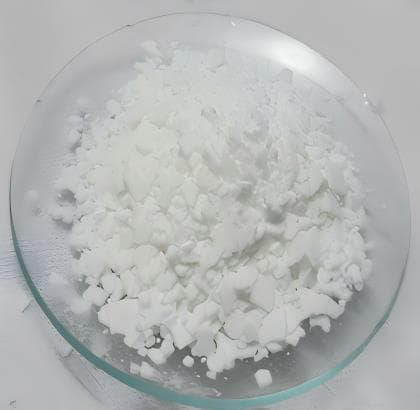
Form: A crystalline solid

Pka: 10.53±0.50

Anwendungen

1.Mitochondrial and Bioenergetics Research: Ubiquinol is used to study electron transport chain function, ATP production, and mitochondrial membrane integrity. It serves as a tool to investigate mitochondrial disorders and the effects of oxidative stress on cellular energy metabolism.

2.Neuroprotection and Ophthalmic Research: Ubiquinol has demonstrated neuroprotective effects in glaucoma models, where it promotes retinal ganglion cell survival, prevents apoptosis, and preserves visual function. It is investigated for broader applications in neurodegenerative diseases involving oxidative stress, such as Parkinson's disease.

3.Cardiovascular and Lipid Metabolism Research: As a key antioxidant in lipoproteins, ubiquinol is studied for its role in preventing LDL oxidation, reducing atherosclerosis risk, and supporting cardiac function under ischemic conditions.

4.Antioxidant and Ferroptosis Research: Ubiquinol's ability to inhibit lipid peroxidation and its role in the FSP1-dependent ferroptosis pathway make it valuable for exploring cell death mechanisms and developing therapies for conditions where ferroptosis is implicated, such as ischemia-reperfusion injury and cancer.

5.General Health and Fatigue Studies: Clinical observations suggest that ubiquinol supplementation may alleviate mild fatigue in healthy individuals, prompting research into its effects on physical performance, energy metabolism, and quality of life in aging populations.

Kostenlose Muster anfordern

Möchten Sie unsere Inhaltsstoffe testen? Fordern Sie kostenlose Muster an, um Qualität und Leistung in Ihren Formulierungen zu bewerten.