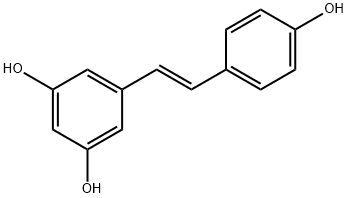

59587-09-6


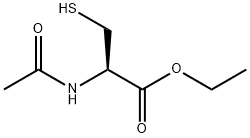
N-Acetylcysteine Ethyl Ester (NAC-EE) is a lipophilic ester derivative of N-acetylcysteine designed to enhance cellular penetration and bioavailability. It serves as a potent antioxidant, glutathione precursor, and hydrogen sulfide donor, with applications in research on oxidative stress, hepatotoxicity, and respiratory conditions .
N-Acetylcysteine Ethyl Ester (NAC-EE) is an esterified form of N-acetyl-L-cysteine (NAC), created by esterifying the carboxyl group to improve lipophilicity and membrane permeability . This structural modification significantly enhances its ability to cross cell membranes compared to NAC itself, as demonstrated in isolated perfused rat liver models where NAC-EE shows superior cellular uptake . Once inside cells, NAC-EE is rapidly hydrolyzed by esterases to release NAC and subsequently cysteine, which serves as the rate-limiting precursor for glutathione (GSH) synthesis . The compound exhibits multiple protective mechanisms: at 1 mM concentration, it prevents tert-butyl hydroperoxide-induced methemoglobin formation in isolated human red blood cells . Chronic administration (50 mg/kg twice daily for two weeks) increases GSH levels in rat liver, kidney, heart, testis, and brain . NAC-EE also functions as a hydrogen sulfide (H₂S) producer, elevating circulating H₂S levels, which contributes to its cytoprotective and anti-inflammatory effects . In paracetamol (acetaminophen)-induced hepatotoxicity models, NAC-EE significantly reduces elevated plasma markers of liver injury including aspartate aminotransferase (AST), alanine aminotransferase (ALT), and lactate dehydrogenase (LDH) . Its enhanced bioavailability and sustained intracellular cysteine delivery position NAC-EE as a promising alternative to NAC for clinical applications, particularly as a mucolytic agent and GSH-related antioxidant where improved tissue penetration may offer therapeutic advantages .
Melting point: 44.1-44.5 °C
Boiling point: 337.6±32.0 °C
Density: 1.138±0.06 g/cm3
Storage temp.: 2-8°C
Solubility: DMF: 30 mg/ml,DMSO: 30 mg/ml,PBS (pH 7.2): 10 mg/ml
Form: A crystalline solid
Pka: 9.17±0.10
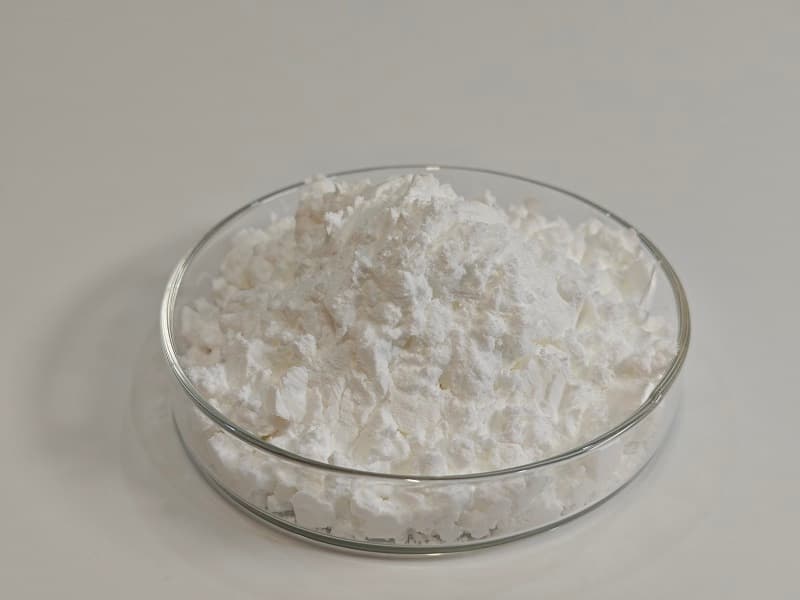
Color: White to off-white
1.Hepatotoxicity and Drug-Induced Liver Injury Research: NAC-EE demonstrates protective effects against paracetamol-induced hepatotoxicity in rats, significantly reducing plasma AST, ALT, and LDH levels, indicating its potential as a therapeutic agent for drug-induced liver damage .
2.Antioxidant and Glutathione Research: NAC-EE serves as an effective glutathione precursor, increasing GSH levels across multiple organs including liver, kidney, heart, testis, and brain following chronic administration. It is used to study GSH-dependent antioxidant defense mechanisms and conditions associated with GSH depletion .
3.Red Blood Cell and Hemoglobin Research: In isolated human erythrocytes, NAC-EE prevents tert-butyl hydroperoxide-induced methemoglobin formation, making it valuable for investigating oxidative damage to red blood cells and hemoglobin .
4.Hydrogen Sulfide (H₂S) Biology: As an H₂S producer, NAC-EE is utilized to study the physiological and protective roles of hydrogen sulfide in cardiovascular, neurological, and inflammatory processes .
5.Respiratory and Mucolytic Research: NAC-EE's enhanced cell permeability and ability to generate NAC and cysteine position it as a potential substitute for NAC in mucolytic applications, with possible advantages for treating respiratory conditions characterized by thick mucus secretions .
6.Neurological and Tissue Distribution Studies: Its ability to increase GSH in brain tissue following systemic administration makes NAC-EE useful for researching neurodegenerative diseases and conditions involving cerebral oxidative stress .
Interested in testing our ingredients? Request free samples to evaluate the quality and performance of our products in your formulations.