

Resveratrol
501-36-0
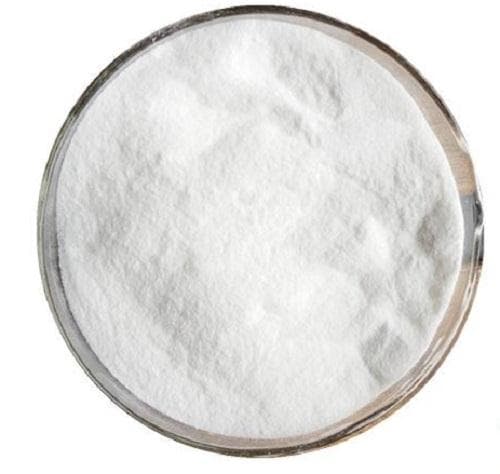
Resveratrol
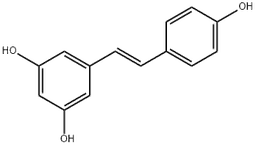
Use Resveratrol for botanical raw-material review, identity confirmation, synonym cleanup, supplier-document comparison, and early formulation planning.
Overview
Resveratrol is a stilbene compound identified by CAS 501-36-0, molecular formula C14H12O3, and molecular weight 228.24.
Characteristics
Key identity terms include resveratrol, trans-resveratrol, (E)-resveratrol, and 3,4',5-trihydroxystilbene. Resveratrol is presented as a botanical polyphenol raw material for identity and documentation review.
Applications
Resveratrol may be evaluated in botanical ingredient, formulation-planning, and raw-material qualification projects that require a verified polyphenol identity. Suitable work includes identity confirmation, supplier-document review, material comparison, and documentation checks.
Frequently Asked Questions
Get Free Samples
Interested in testing our ingredients? Request free samples to evaluate the quality and performance of our products in your formulations.