

Hormones & Hair Destiny: How Finasteride Rewrites the Story at Molecular Level
Hormones & Hair Destiny: How Finasteride Rewrites the Story at Molecular Level
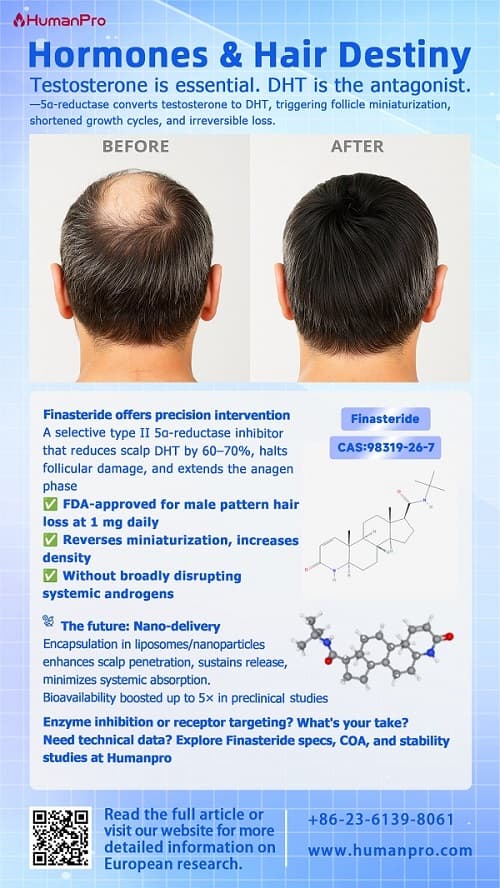
If you're tracking hair loss mechanisms, you've likely encountered this paradox: Testosterone is essential—but its metabolite, DHT (dihydrotestosterone), is often the real antagonist in androgenetic alopecia.
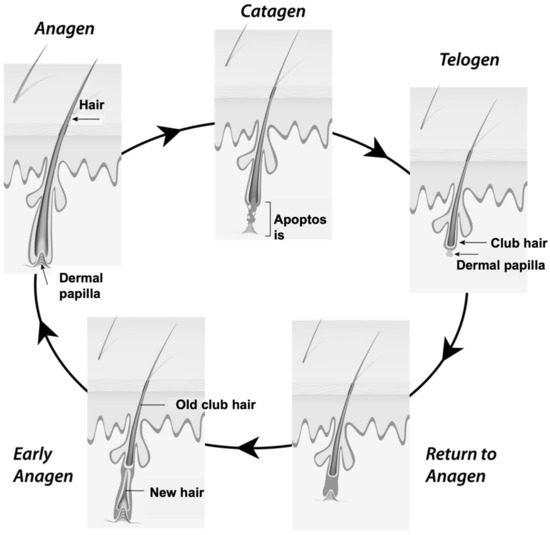
Here's what happens: 5α-reductase converts testosterone to DHT. When DHT binds to androgen receptors in scalp follicles, it triggers miniaturization, shortens the anagen (growth) phase, and gradually leads to irreversible loss. The question is: Can we intervene before the damage compounds?
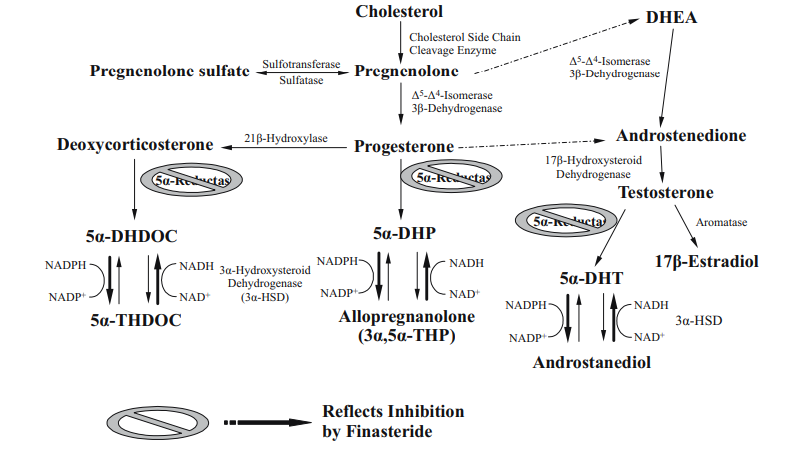
👋Finasteride (CAS: 98319-26-7) offers a precise answer.
As a selective type II 5α-reductase inhibitor, targeting the isoenzyme predominantly expressed in scalp and prostate, it reduces serum and scalp DHT by 60–70%. This enzymatic blockade halts follicular aggression, extends the growth phase, and allows visible regrowth.
Clinically validated: At 1 mg daily, Finasteride is FDA-approved for male pattern hair loss. It's particularly effective when baseline 5α-reductase activity exceeds 1.4, reversing miniaturization and increasing hair density—without broadly disrupting systemic androgen levels[1].
🤛Beyond hair: A dual-mechanism asset
In BPH (benign prostatic hyperplasia), the same principle applies. By lowering intraprostatic DHT, Finasteride reduces gland volume, improves urinary flow, and lowers PSA—offering therapeutic value with a well-characterized safety profile[2].
✋Where formulation meets future
The next horizon? Targeted delivery.
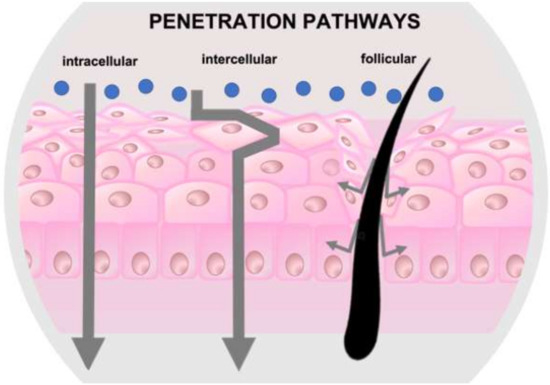
Encapsulating Finasteride in nano-carriers (liposomes, nanoparticles) enhances scalp penetration, sustains local release, and minimizes systemic absorption—potentially reducing side effects like libido changes while maximizing efficacy. Preclinical data suggests nano-formulations can boost bioavailability by up to 5×, opening new doors for topical applications in both pharma and dermocosmetics[3].
✍️For researchers and formulators:
In hair health R&D, do you see greater potential in enzyme inhibition (like Finasteride) or receptor-targeting approaches? Drop your perspective.
👉Need technical data? Explore Finasteride specifications, COA, and stability studies in our R&D resource library at Humanpro.
References:
[1] https://www.ncbi.nlm.nih.gov/books/NBK513329/
[2] https://tau.amegroups.org/article/view/111026/html
[3] https://www.mdpi.com/1999-4923/14/2/286