

新闻动态
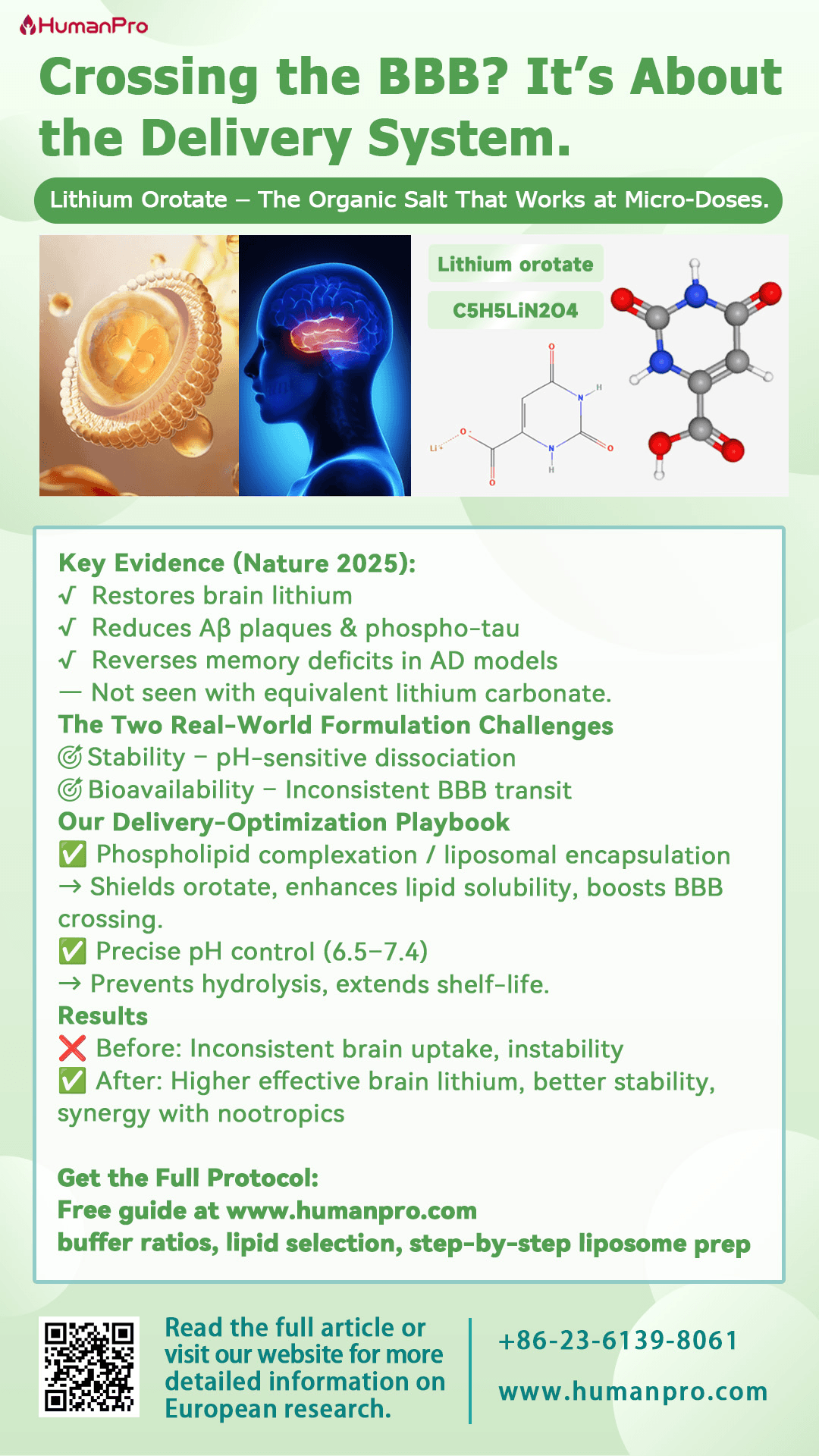
Crossing the blood-brain barrier isn’t just about the molecule – it’s about the delivery system.
Lithium orotate offers better brain permeability and lower toxicity than lithium carbonate, and preclinical data show it reduces AD pathology and memory deficits. Key formulation challenges are stability (pH-sensitive precipitation) and bioavailability (inconsistent absorption). Optimization via phospholipid complexation/liposomal encapsulation and pH 6.5–7.4 control improves brain lithium levels, stability, and synergy with other nootropics.
阅读更多 →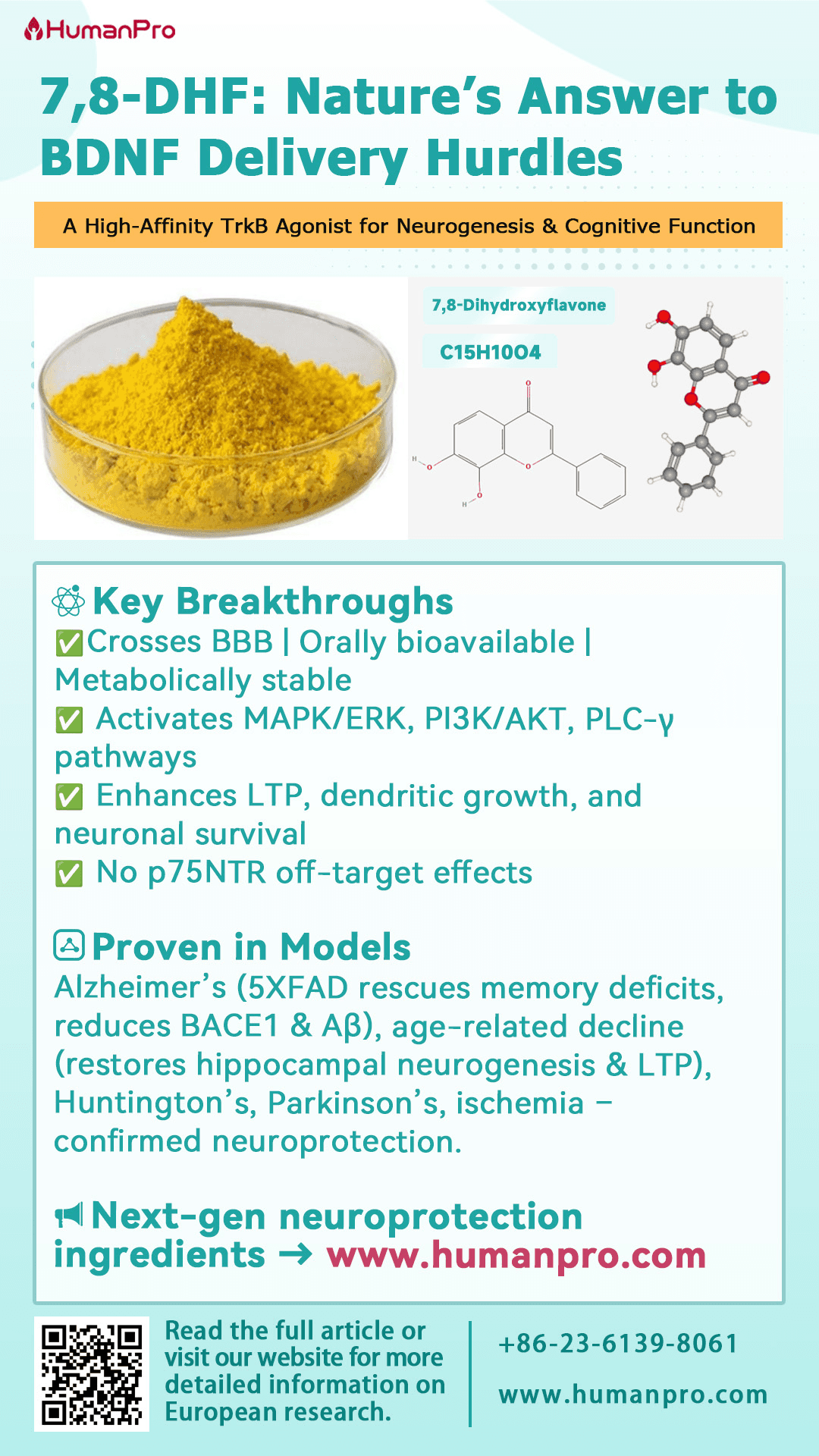
How Does 7,8-DHF Become the “Natural BDNF Mimetic”?
7,8‑DHF is a natural flavonoid that crosses the BBB and acts as a high‑affinity TrkB agonist, mimicking BDNF. It activates MAPK/ERK, PI3K/AKT, and PLC‑γ pathways to promote neurogenesis, synaptic plasticity, and neuronal survival. Compared to BDNF, it offers better oral bioavailability, metabolic stability, and selective TrkB activation without p75NTR off‑target effects. In Alzheimer’s, cognitive decline, and other neurodegenerative models, 7,8‑DHF rescues memory deficits, restores BDNF‑TrkB signaling, reduces Aβ pathology, and provides neuroprotection. For R&D teams developing nootropics, neuroprotective agents, or longevity formulations, 7,8‑DHF is a rare “natural mimetic” combining mechanistic elegance with practical developability.
阅读更多 →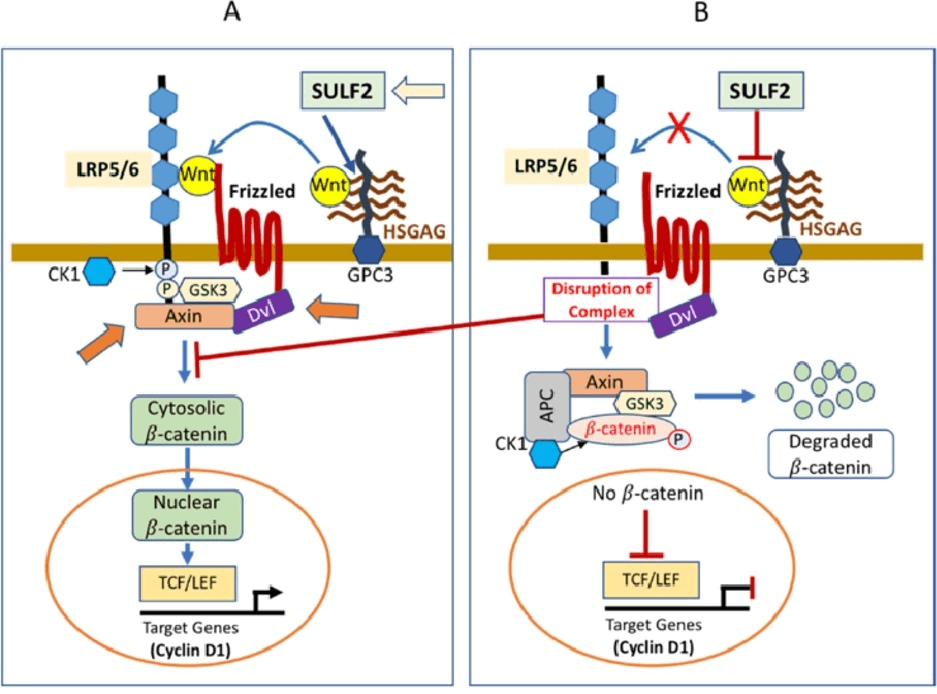
How to Make Flavonoids "Team Up" Against Inflammation?
In complex inflammatory environments, a single anti-inflammatory ingredient often underperforms. Quercetin and curcumin synergistically inhibit the NF-κB pathway: curcumin blocks nuclear translocation and cytokine transcription, while quercetin suppresses upstream kinases and oxidative stress. Their combination achieves stronger anti-inflammatory effects at lower doses. Key formulation strategies include pH control (mildly acidic range to enhance polyphenol stability) and nanoemulsification (O/W nanoemulsions to improve dispersibility, penetration, sustained release, and protection against rapid degradation). This approach overcomes poor bioavailability and instability, making it suitable for skin soothing, mucosal repair, and functional products.
阅读更多 →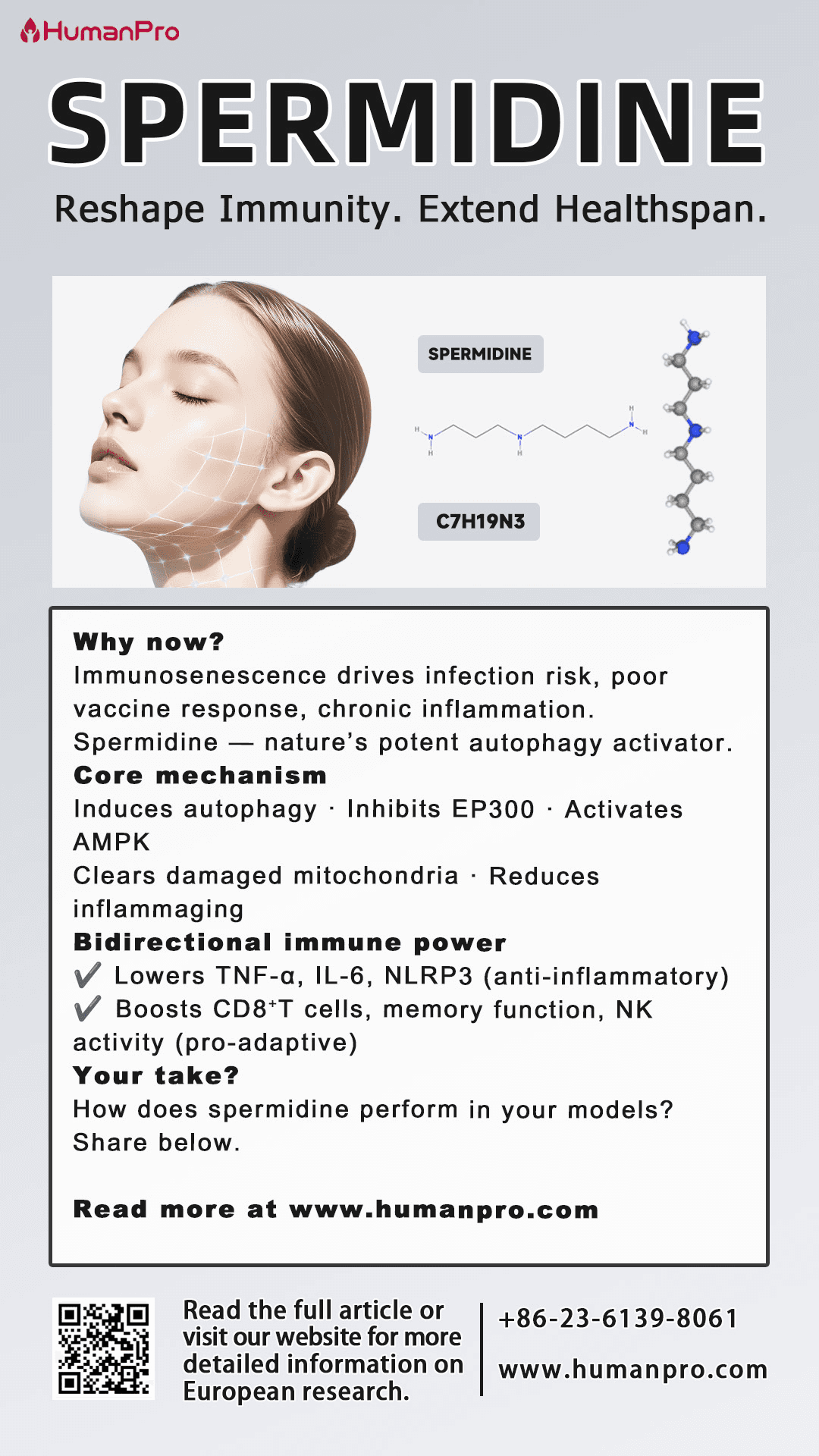
How Does Spermidine Reshape Immunity and Lifespan?
Spermidine is a natural polyamine that maintains immune cell homeostasis by inducing autophagy (via EP300 inhibition → deacetylation of Atg proteins and α-tubulin → enhanced autophagosome formation and lysosomal fusion). It exerts bidirectional immune regulation: anti-inflammatory effects (reducing TNF-α, IL-1β, IL-6, suppressing NLRP3 inflammasome, promoting M1-to-M2 macrophage polarization) and pro-adaptive effects (enhancing fatty acid oxidation in CD8+ T cells and memory T cell function via eIF5A hypusination). Endogenous spermidine declines with age, driving immunosenescence. Clinical supplementation reverses senescence markers in aged immune cells, improves antibody responses to SARS-CoV-2 and influenza vaccines in older adults, and enhances anti-tumor immunity when combined with PD-1 checkpoint inhibitors. RCTs confirm its safety.
阅读更多 →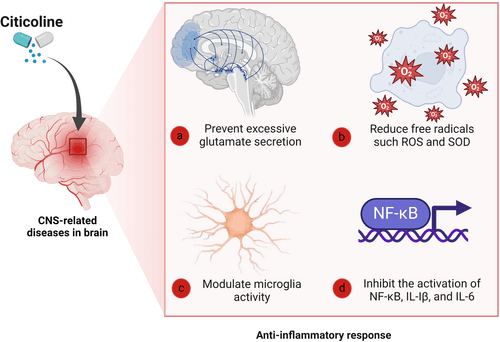
US Cognitive Health Supply Update: Citicoline Demand & Price Dynamics
The US cognitive health market is experiencing accelerating demand for Citicoline, with the brain health supplements sector projected to reach USD 6.8 billion by 2030 at an 11.5% CAGR. Expanding clinical evidence supports its use in stroke recovery, Alzheimer’s disease, glaucoma, and age-related cognitive decline. Global production capacity—concentrated in Asia (e.g., Kyowa Hakko, Union Korea Pharm)—provides a critical buffer for US supply chains, ensuring reliable access to pharmaceutical-grade material. Meanwhile, high-purity batches (≥99%) command resilient pricing due to consistent performance, superior bioavailability, and regulatory alignment. In summary, the market is characterized by strong demand, stable supply, and quality-driven price stability.
阅读更多 →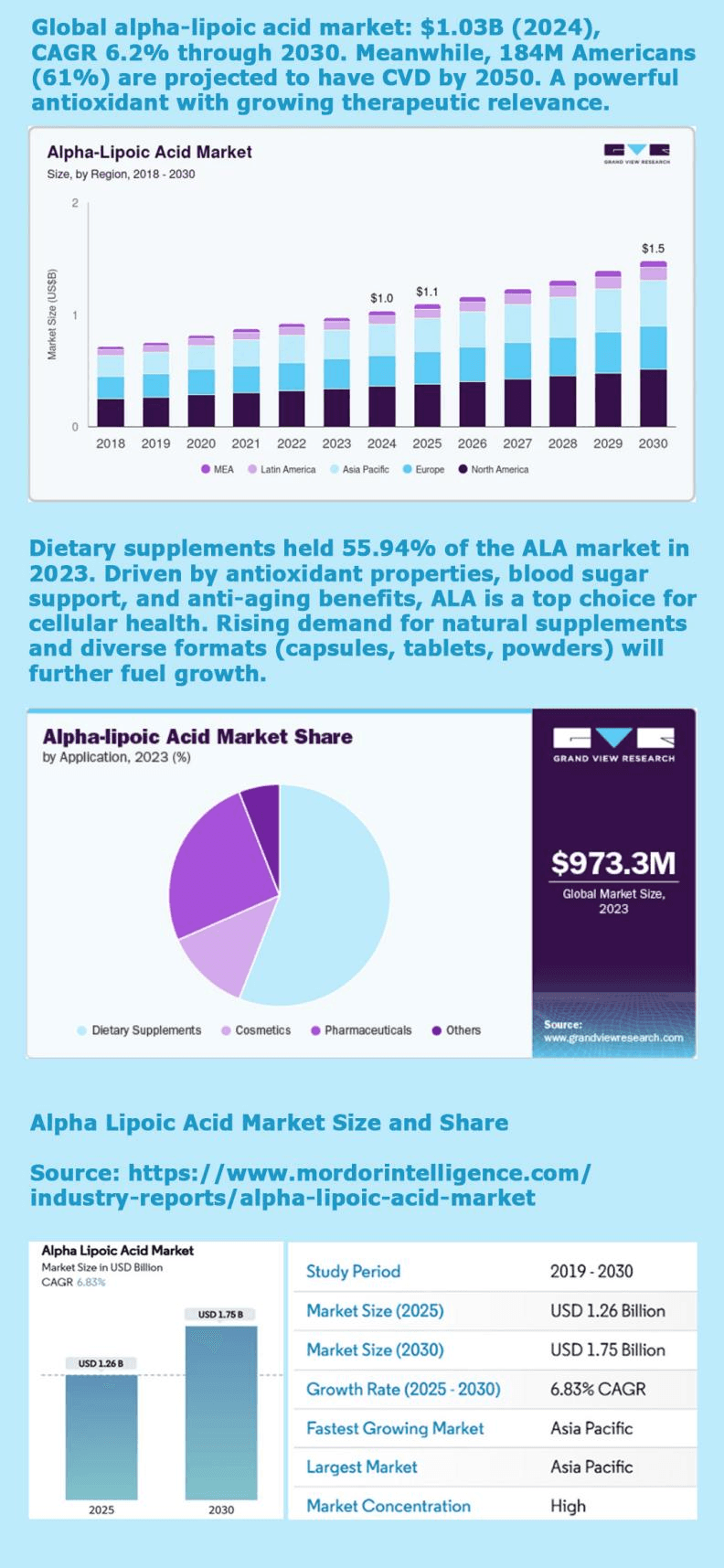
Procurement Advisory: Alpha Lipoic Acid – EU Supply Chain Resilience & Purity-First Strategy
Demand for Alpha Lipoic Acid (ALA) is surging across the EU for metabolic health applications (diabetes management, antioxidant therapies, functional nutrition). However, global synthesis capacity remains heavily concentrated in Asia, exposing EU buyers to three key risks: precursor (octanoic acid) price volatility, tightening EFSA scrutiny on purity and compliance, and single-source dependency. A pragmatic procurement strategy includes: auditing current suppliers against EU standards (GMP, CEP, REACH), weekly monitoring of precursor indices, qualifying at least two backup suppliers (EU or North America-based, pharma-grade), mandating third-party COA and impurity testing per batch, and incorporating risk-sharing clauses for supply disruptions or purity deviations. Building a resilient, audit-ready supply chain is now essential.
阅读更多 →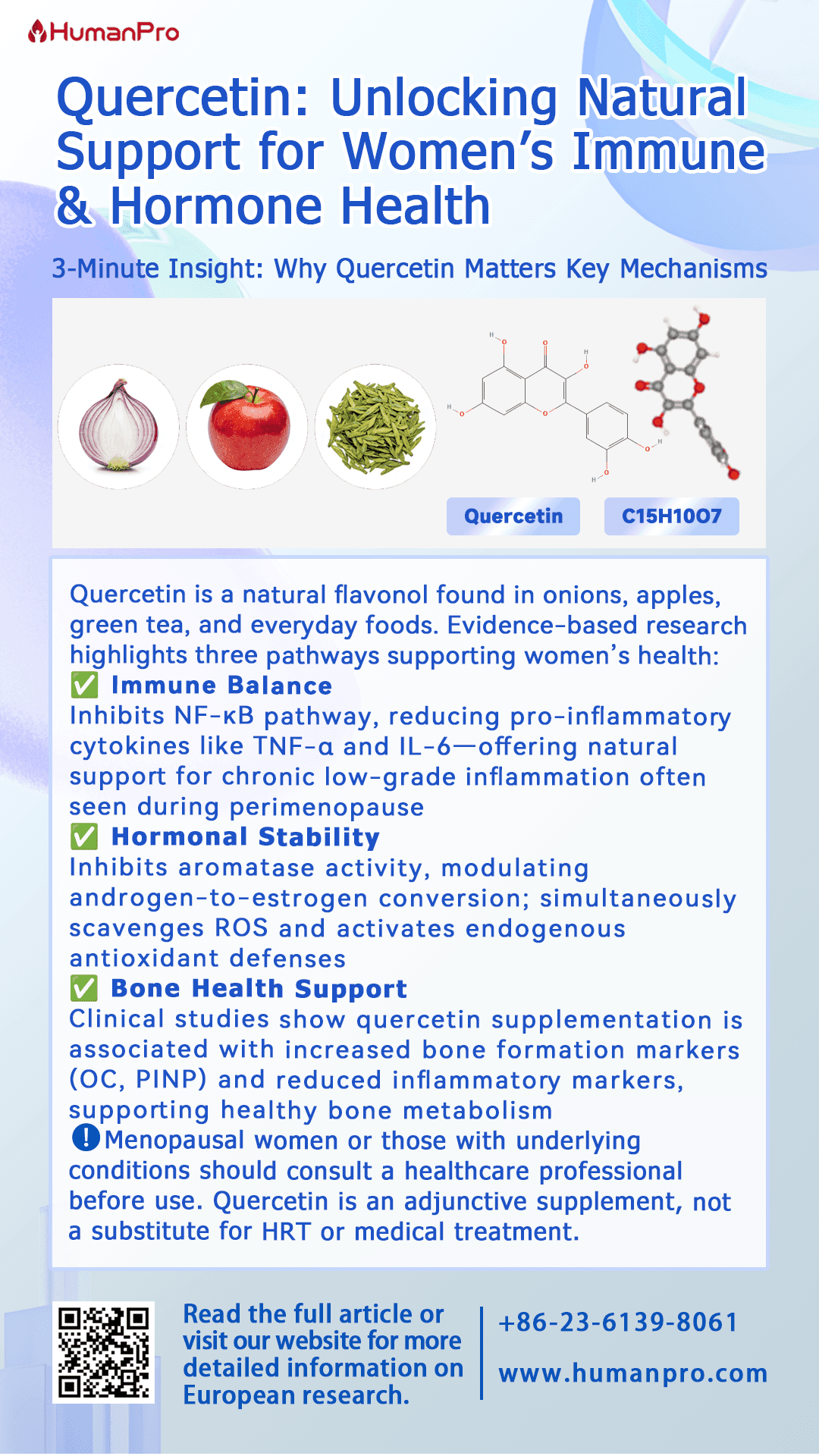
Quercetin: How This Flavonoid Supports Women’s Immune & Hormone Health
Quercetin (C₁₅H₁₀O₇, CAS 117-39-5) is a widely distributed flavonoid with growing relevance in women’s health. Evidence suggests it supports immune balance via NF-κB inhibition, reducing pro-inflammatory cytokines (TNF-α, IL-6), while also exhibiting aromatase inhibition and antioxidant effects that may aid hormonal balance and redox stability. Animal studies and early clinical trials in postmenopausal women indicate potential benefits for bone formation markers (OC, PINP) and reduced inflammation. However, most evidence remains suggestive—derived from in vitro, animal, or small-scale human studies—with limited large-scale RCTs. Bioavailability is low without optimized formulations, and its role in estrogen-sensitive conditions is debated. Quercetin is not a substitute for HRT or prescribed treatments, but rather a supportive adjunct.
阅读更多 →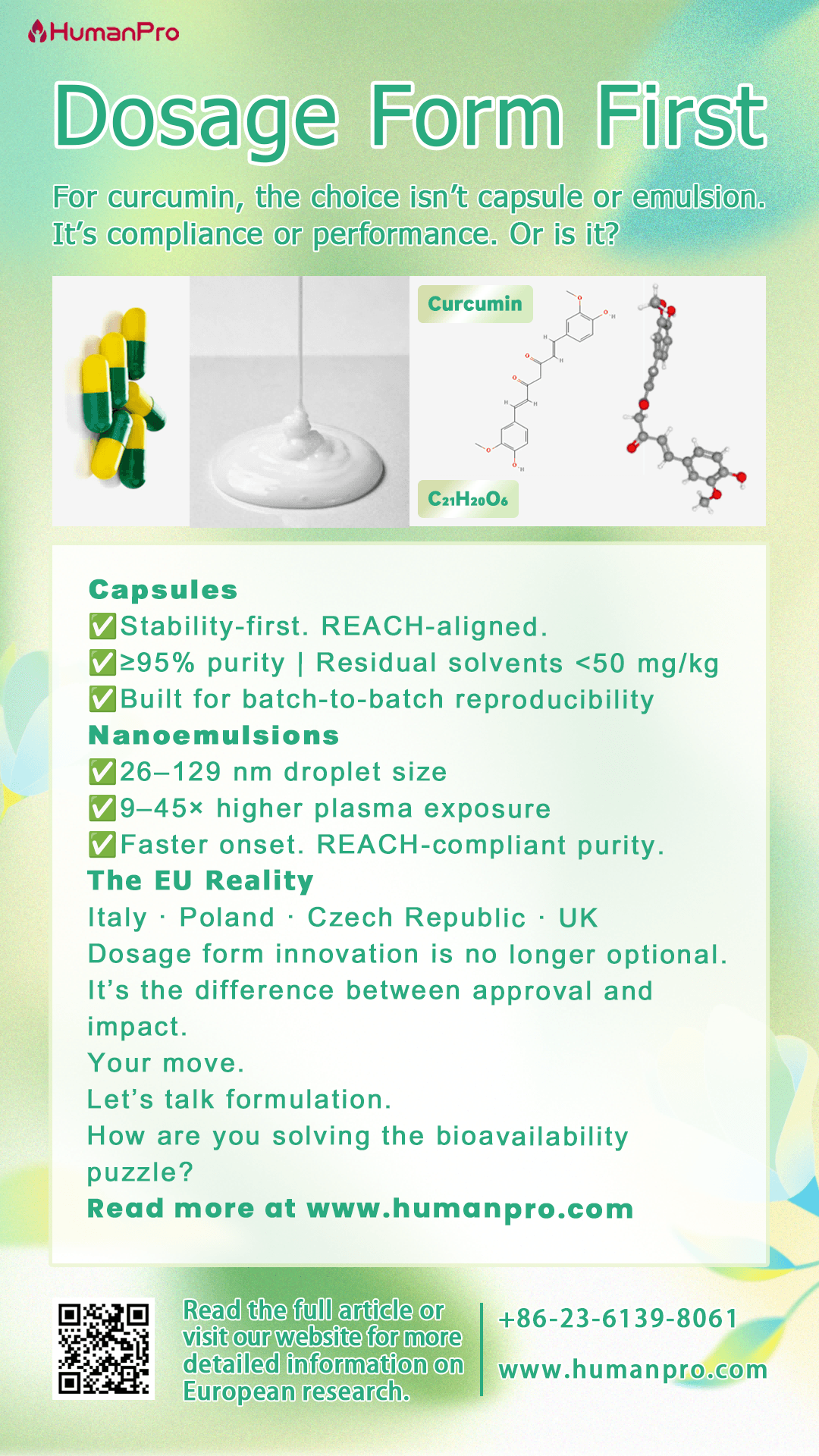
Dosage Form First: Why Curcumin’s Capsule vs. Emulsion Choice Defines EU Compliance & Therapeutic Success
For curcumin (CAS 458-37-7) formulated in EU markets, the dosage form choice—capsule vs. emulsion—is the primary determinant of both regulatory compliance and therapeutic success. Capsules offer excellent chemical stability and controlled release, meeting REACH requirements with ≥95% curcuminoid purity and residual solvents <50 mg/kg total, making them ideal for reproducibility-focused manufacturers. In contrast, nanoemulsions (26–129 nm droplet size) significantly increase dissolution rate, intestinal permeation, and bioaccessibility, leading to 9–45× higher plasma exposure vs. crystalline curcumin, enabling faster anti-inflammatory onset—without compromising REACH purity standards via precise surfactant control. In key markets like Italy, Poland, Czech Republic, and the UK, dosage form innovation has become a competitive and regulatory necessity.
阅读更多 →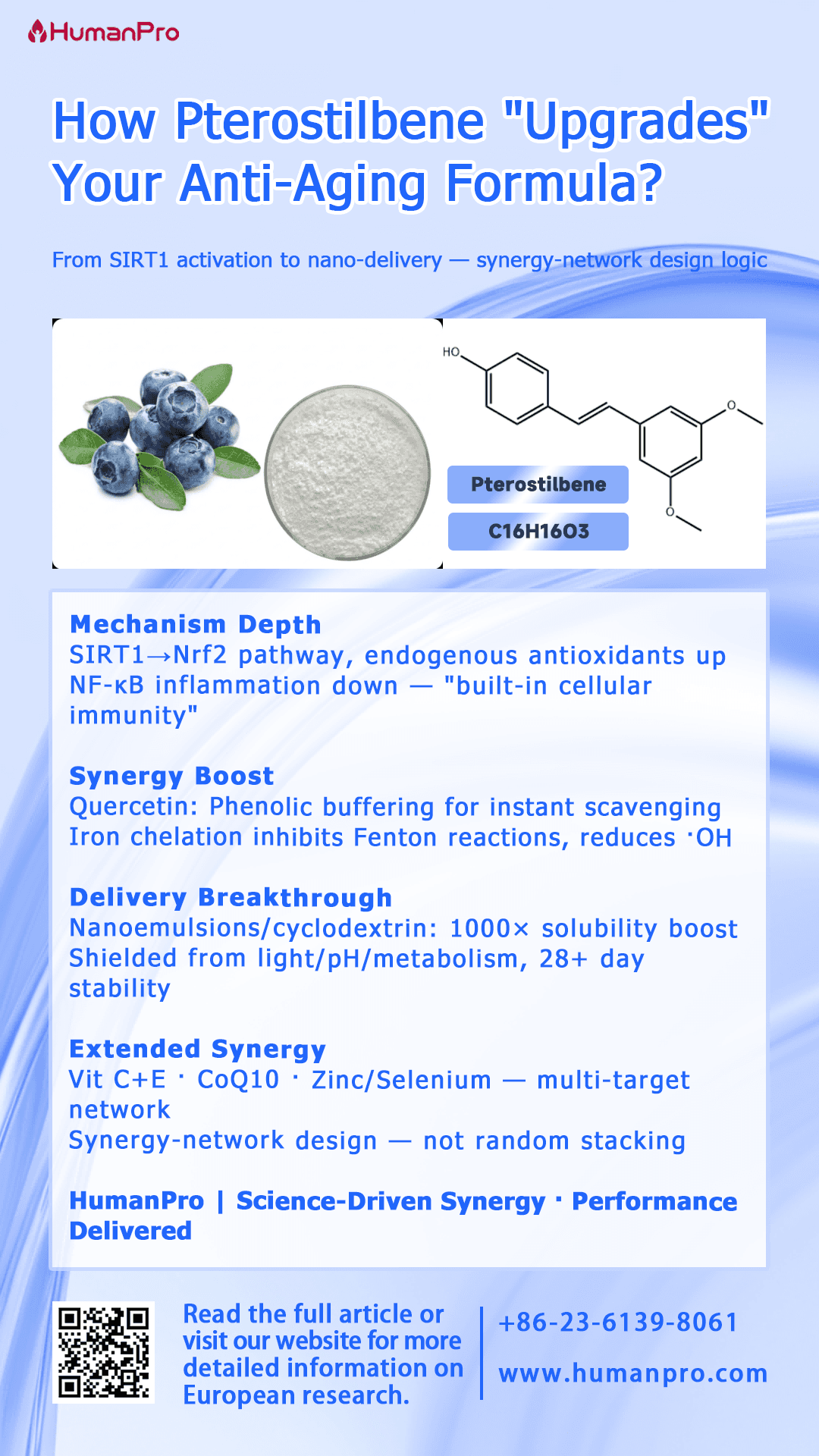
How Pterostilbene ‘Upgrades’ Your Anti-Aging Formula?
Pterostilbene, a methoxylated resveratrol analog, offers superior SIRT1 activation and bioavailability, upregulating Nrf2-driven antioxidant enzymes and suppressing NF-κB inflammation for deep anti-aging effects. However, low solubility, oxidative instability, and first-pass metabolism hinder formulation. The solution path: ① lock onto SIRT1 as the core target; ② pair with Quercetin for instant radical quenching and iron-chelating synergy; ③ adopt nano-delivery systems (phospholipid nanoemulsions or cyclodextrin complexes) to boost solubility 100–1000× and ensure >28-day stability. Other synergists like Vitamins C+E, CoQ10, and Zinc/Selenium are also discussed. The core logic: mechanism target → synergistic pairing → delivery & stability.
阅读更多 →显示第 1 - 9 条,共 20 条