

The "Magnesium" Secrets of Crossing the Blood-Brain Barrier: A Scientific Interpretation of Magnesium Acetyl Taurate (MAT)
The "Magnesium" Secrets of Crossing the Blood-Brain Barrier: A Scientific Interpretation of Magnesium Acetyl Taurate (MAT)
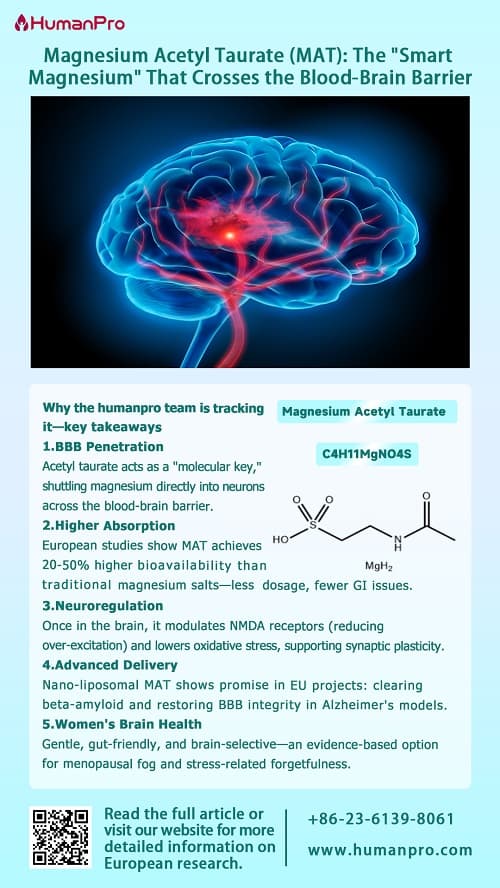
Today, let’s dive into a trending topic in European research: Magnesium Acetyl Taurate (MAT) . Think of the Blood-Brain Barrier (BBB) as the brain’s "fortified wall"—it protects but also blocks most nutrients. So, how does this specific magnesium compound deliver cognitive support so effectively? Let’s decode the science.
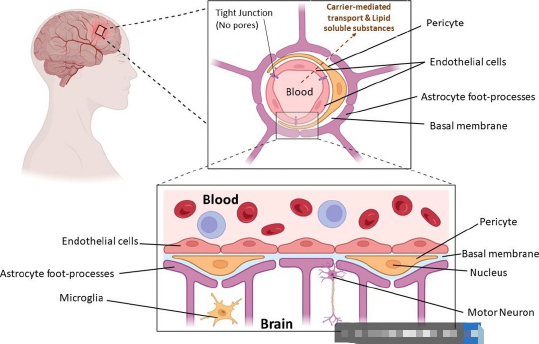
✍️The "Smart" Entry Mechanism
Why do standard magnesium supplements often fall short? The issue is the BBB’s lipid-based barrier. MAT’s brilliance lies in its chemistry: Magnesium is bonded with acetyl taurate, creating a lipophilic complex. This acetyl taurate acts as a "carrier key," unlocking the barrier to shuttle magnesium directly into neurons.
✋The Evidence:
l Absorption: European studies suggest this form achieves 20-50% higher absorption rates compared to other salts.
l Mechanism: Once inside, it modulates NMDA receptors (reducing over-excitation) and lowers oxidative stress—the "rust" on our brain cells. This dual action helps maintain neural balance and protects against age-related decline.
l Clinical Backing:
France: A study published in Neuroscience Letters showed that oral MAT significantly improved synaptic plasticity in rodents—a key process for memory and learning.
Turkey: Clinical research from Istanbul University indicates that MAT may prevent secondary tissue damage post-brain injury and enhance prosocial behavior, suggesting mood-regulating benefits.
👉The Future: Nano-Liposomal MAT
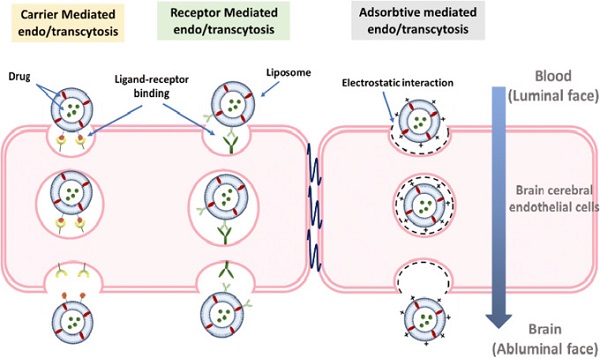
The real game-changer is the convergence of MAT with nanotechnology. European researchers (including teams at the University of Barcelona) are now testing nano-liposomal MAT.
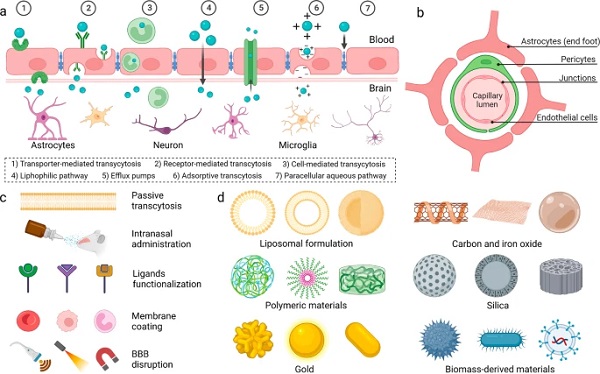
The Tech: Tiny lipid "delivery pods" that enhance brain targeting and bioavailability.
The Promise: An EU-funded Horizon 2020 project demonstrated that nano-liposomal MAT effectively cleared beta-amyloid plaques in Alzheimer's mouse models and restored BBB integrity. While human trials are ongoing, this opens exciting possibilities for women's brain health—particularly for managing perimenopausal cognitive fog, stress-related memory issues, and healthy aging.
🙌Why This Matters for Women
Many women experience brain fog during hormonal shifts (pregnancy, menopause). Magnesium is crucial for neurotransmitter regulation, but traditional forms often cause digestive issues. MAT offers a gentle, brain-selective option that bypasses the gut, making it ideal for long-term cognitive support.
Takeaway: MAT represents a leap forward in targeted brain health. However, always consult a physician before starting new supplements.
✋To my fellow researchers in Europe: How are you currently evaluating brain-targeting efficiency in your cognitive health projects? Do you use biomarkers like BDNF or imaging techniques? The Humanpro team would love to hear your methodologies and exchange ideas! Let's share!