
Spermine dihydrate product banner

Spermine dihydrate

403982-64-9
Spermine dihydrate
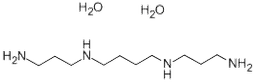
Spermine dihydrate

Spermine dihydrateAnti-aging
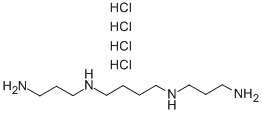
Estructura: Spermine dihydrate estructura
CAS: 403982-64-9
MF: C10H30N4O2
MW: 238.37
Sinónimos
SPERMINE FREE BASESPERMINE DIHYDRATENEURIDINEN,N'-BIS(2-AMINOPROPYL)-1,4-BUTANE-DIAMINEN,N'-BIS(2-AMINOPROPYL)TETRAMETHYLENEDIAMINEN,N'-BIS(3-AMINOPROPYL)-1,4-DIAMINOBUTANEN,N'-BIS(3-AMINOPROPYL)-1,4-BUTANEDIAMINE DIHYDRATEN,N'-BIS(3-AMINOPROPYL)-BUTANE-1,4-DIAMINE
Uso

Spermine dihydrate is primarily used as a research reagent to support cell growth, stabilize nucleic acid structures, and study the biological functions of polyamines.

It has significant value in cell culture, molecular biology experiments, and research on antioxidant/anti-aging mechanisms.

Especificación
99%+
Descripción

Descripción general

Spermine is a tetraamine polyamine produced by spermidine via spermine synthase catalysis. It exists as a polycation at physiological pH and is widely found in eukaryotic cells, bacteria, and viruses. It binds strongly to nucleic acids (DNA/RNA), stabilizing their helical structure, promoting chromatin condensation, and regulating gene expression, cell proliferation, differentiation, and apoptosis. Spermine dihydrate is its stable form containing two molecules of water of crystallization; it is readily soluble in water and is commonly used as a high-purity reagent in laboratories.

EINECS: 687-801-4

Product Categories: API

Características

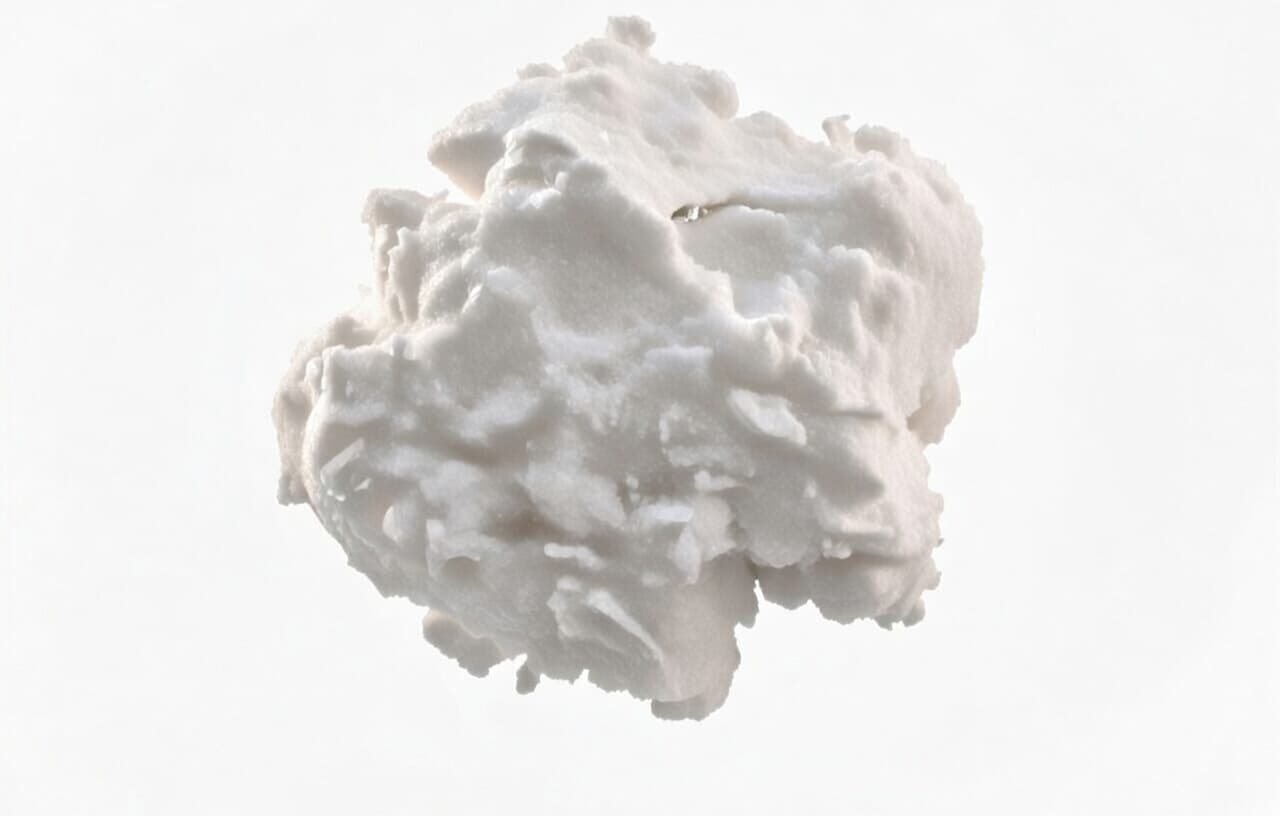
Appearance & Form: Solid or amorphous semi-solid, colorless or white based on solution description

Melting Point: 63-64 °C

Boiling Point: 150 °C5 mm Hg(lit.)

Flash Point (Fp): >230 °F

Storage Temperature: 2-8°C

Solubility: H2O: 50 mg/mL

pH (25℃, 1M in H2O): 12.0-13.5

Water Solubility: H2O: 1M at 20°C, clear, colorless

Aplicaciones

Cell Biology and Cell Culture: Added to culture media, it promotes the growth and differentiation of mammalian cells and bacteria, supporting the maintenance of in vitro cell models.

Antioxidant and DNA Protection: Directly scavenges free radicals or forms adducts to prevent oxidative stress damage to DNA; commonly used in models of oxidative damage, aging, and related diseases.

Anti-aging and Autophagy Research: Participates in the induction of autophagy, exploring mechanisms for delaying cellular aging, improving mitochondrial function, and extending healthy lifespan (polyamines are often used as calorie restriction mimics in research).

Solicite muestras gratuitas

¿Le interesa probar nuestros ingredientes? Solicite muestras gratuitas para evaluar la calidad y el rendimiento en sus formulaciones.