
10389-08-9


Calcium 2-Aminoethyl Phosphate is a bioactive compound that serves as a cell membrane component and mineral transporter, primarily investigated for its immunomodulatory and neuroprotective properties. It is used in research focused on cellular health, immune function enhancement, and neurological support.
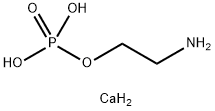
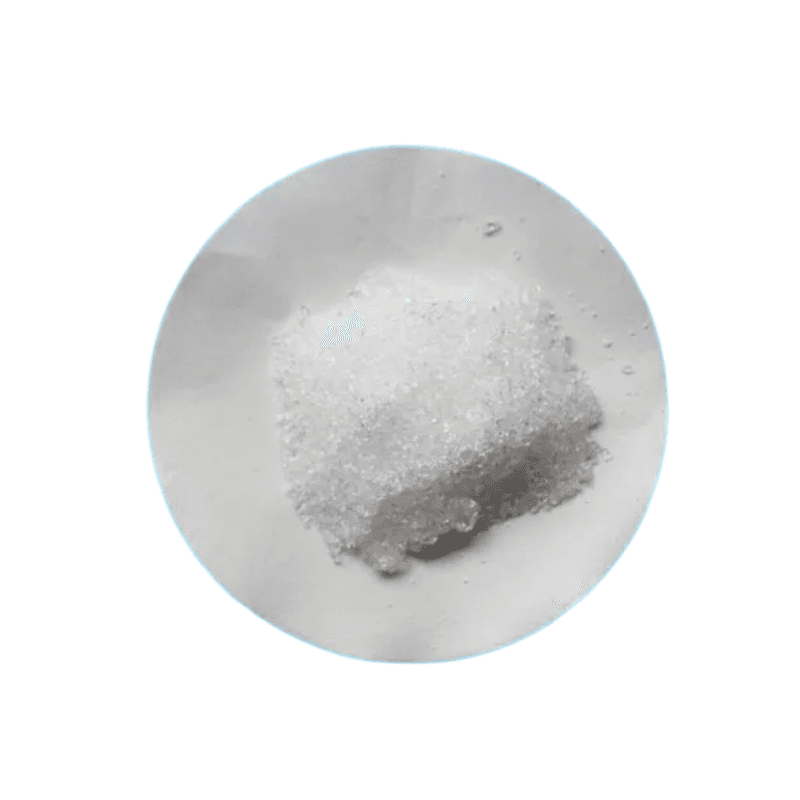
Calcium 2-Aminoethyl Phosphate (Ca-AEP or Ca-2AEP; molecular formula C₂H₇CaNO₄P), also known as phosphorylethanolamine calcium salt or calcium ethylamidophosphate, is a compound first discovered by biochemist Erwin Chargaff in 1941. It appears as a white crystalline powder with solubility in water and limited solubility in organic solvents. Structurally, it is the calcium salt of phosphorylethanolamine, an important intermediate in phospholipid metabolism. Ca-AEP functions as an integral component of cell membranes and exhibits unique mineral-complexing properties. As a mineral transporter, it enters the outer layer of the cell membrane, where it releases its associated minerals and subsequently integrates into the membrane structure through metabolic processing. This mechanism facilitates the targeted delivery of minerals to cellular membranes, potentially enhancing membrane integrity and function. Preclinical studies have demonstrated Ca-AEP's ability to modulate immune responses and enhance immune function, suggesting applications in immunological research. Additionally, investigations indicate that Ca-AEP possesses neuroprotective properties, supporting neuronal health through its membrane-stabilizing effects and mineral transport capabilities. Its interaction with cell membranes and ability to form complexes with minerals contribute to its broad research potential across multiple biomedical fields.
1.Immunomodulation and Immune Function Research: Ca-AEP has demonstrated the ability to modulate immune responses and enhance immune function in preclinical studies, making it valuable for research into immune system regulation and potential therapeutic applications for immune-related disorders .
2.Neuroprotection and Neurological Research: Ca-AEP exhibits neuroprotective properties and supports neuronal health through its interactions with cell membranes and mineral transport mechanisms. It is investigated for its potential benefits in maintaining neuronal integrity and function, with applications in research on neurodegenerative conditions and neurological health .
3.Cell Membrane and Mineral Transport Studies: As a compound that integrates into cell membranes and facilitates mineral delivery, Ca-AEP serves as a research tool for studying membrane structure, function, and mineral homeostasis at the cellular level .
¿Le interesa probar nuestros ingredientes? Solicite muestras gratuitas para evaluar la calidad y el rendimiento en sus formulaciones.