
NADH product banner

NADH

606-68-8

NADH

NADH

NADHDietary Supplements
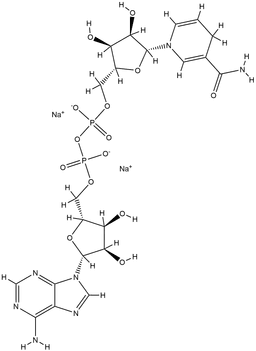
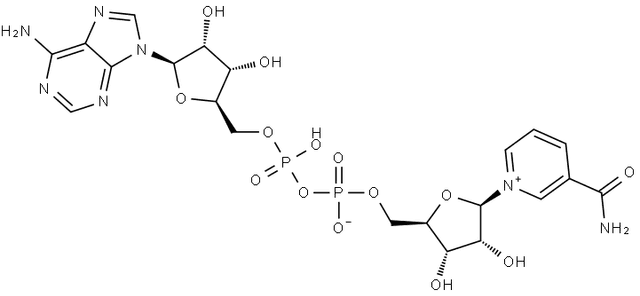
Estructura: NADH estructura
CAS: 606-68-8
MF: C21H30N7NaO14P2
MW: 689.44
Sinónimos
BETA-NICOTINAMIDE ADENINE DINUCLEOTIDE, REDUCED FORM DISODIUM SALTBETA-NICOTINAMIDE ADENINE DINUCLEOTIDE, DISODIUM SALTbeta-Nicotinamide adenine dinucleotidedisodium salthydrateeta-d-ribofuranosyl-3-pyridinecarboxamide, disodium salt beta-nicotinamide adenine dinucleotide, disodium salt, hydrate beta-nicotinamide adenine dinucleotide disodium salt,trihydrateNICOTINAMIDE ADENINE DINUCLEOTIDE (REDUCED) DISODIUM SALT extrapureNICOTINAMIDE ADENINE DINUCLEOTIDE >98% (REDUCED FORM) DISODIUM SALTNICOTINAMIDE ADENINE DINUCLEOTIDE DISODIUM SALTNadide sodium
Uso

NADH (nicotinamide adenine dinucleotide hydrate) is the reduced form of NAD⁺, a critical coenzyme central to cellular energy metabolism and ATP production. It is used in nutritional supplements to support energy levels and immune function, and in cosmetics as an anti-aging ingredient to combat oxidative stress and improve skin health.

Especificación
99%+
Descripción

Descripción general

NADH, the reduced form of nicotinamide adenine dinucleotide (NAD⁺), is a fundamental biomolecule and coenzyme present in all living cells. Chemically, it is a dinucleotide composed of two nucleotides joined by phosphate groups, with the nicotinamide ring in its reduced state. This reduced form is generated during metabolic reactions such as glycolysis and the citric acid cycle when NAD⁺ accepts electrons and a proton (a hydride ion). The primary and most well-known function of NADH is its role as an electron carrier in energy metabolism. It donates electrons to the electron transport chain in mitochondria, driving the synthesis of ATP, the primary energy currency of the cell. This process is essential for converting energy from nutrients like glucose and fatty acids into a usable form. Beyond its role in energy production, NADH is involved in a wide array of other critical cellular processes. It participates in the regulation of apoptosis (programmed cell death), serves as a substrate for enzymes involved in DNA repair, and influences cell differentiation and aging pathways. This multifunctional nature makes NADH a molecule of significant biological and therapeutic interest. In applied fields, NADH is utilized for its energy-boosting and antioxidant properties. As a nutritional supplement, it is taken to potentially increase cellular energy levels, enhance athletic performance, alleviate fatigue, and support cognitive function and immune system health. In the cosmetics industry, NADH is valued as an anti-aging ingredient. Its ability to neutralize free radicals helps protect skin cells from oxidative damage, which can reduce the appearance of fine lines and wrinkles, improve skin elasticity, and promote a more radiant complexion. As research continues to uncover its diverse mechanisms of action, the application prospects for NADH across the nutrition, health, and cosmetic sectors are expected to expand further.

EINECS: 210-123-3

Product Categories: Bases & Related Reagents;Carbohydrates & Derivatives;Cofactors and SubstratesBiochemicals and Reagents;Nucleotides;Phosphorylating and Phosphitylating Agents;nucleoside;NAD and AnalogsResearch Essentials;Nucleosides and NucleotidesEnzymes, Inhibitors, and Substrates;Oxidation-ReductionMetabolic Pathways;Core Bioreagents;Electron Transport and Cellular Respiration;Metabolic Pathways;Metabolites and Cofactors on the Metabolic Pathways Chart;TCA;Bioproducts;Cofactor;Oxidation-Reduction;Cofactors;Enzymes, Inhibitors, and Substrates;Biochemicals and Reagents;NAD and Analogs;Nucleosides, Nucleotides, Oligonucleotides

Características

Melting point: 140-142°C

Density: 1.955 at 20℃

Vapor pressure: 0.73Pa at 20-50℃

Storage temp.: Inert atmosphere,Store in freezer, under -20°C

Solubility: H2O: 50 mg/mL, clear to nearly clear, yellow

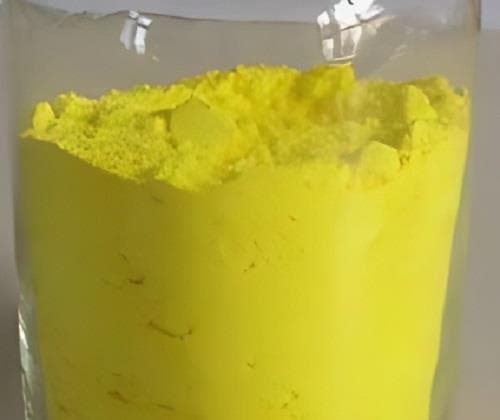
Form: Powder

Color: Yellow

PH: 7.5 (100mg/mL in water, ±0.5)

Water Solubility: soluble

λmax: 260 and 340 nm

Stability: Stable. Incompatible with strong oxidizing agents.

LogP: -1.96 at 21℃ and pH7

Surface tension: 69.22mN/m at 1.022g/L and 20℃

Aplicaciones

1.Nutritional Supplements and Health Products: NADH is widely used in dietary supplements aimed at boosting energy levels, combating chronic fatigue, and enhancing athletic performance. It is also studied for its potential to support cognitive function, improve mental clarity, and modulate immune system activity, making it a popular ingredient in products targeting overall wellness and vitality.

2.Cosmetics and Skincare: In the cosmetic industry, NADH is incorporated into anti-aging formulations due to its potent antioxidant properties. It helps neutralize reactive oxygen species, thereby protecting skin cells from oxidative stress that leads to premature aging. This action can help reduce the appearance of fine lines and wrinkles, improve skin elasticity and firmness, and enhance overall skin radiance and health.

3.Cell Biology and Aging Research: NADH is extensively used as a research tool in studies of cellular metabolism, mitochondrial function, and redox biology. It is also central to investigations into the biology of aging, as levels of its oxidized form, NAD⁺, are known to decline with age. Research involving NADH helps elucidate the mechanisms behind age-related metabolic decline, neurodegenerative diseases, and potential strategies for therapeutic intervention.

Solicite muestras gratuitas

¿Le interesa probar nuestros ingredientes? Solicite muestras gratuitas para evaluar la calidad y el rendimiento en sus formulaciones.