
Acetyltaurine product banner

Acetyltaurine

19213-70-8
Acetyltaurine
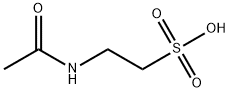
Acetyltaurine

AcetyltaurineDietary Supplements
Estructura: Acetyltaurine estructura
CAS: 19213-70-8
MF: C4H9NO4S
MW: 167.18
Sinónimos
acetyltaurineTaurine Impurity 3 (Acetyltaurine)2-acetamidoethane-1-sulfonic acid2-Acetamidoethanesulfonic acidN-acetyl TaurineEthanesulfonic acid, 2-(acetylamino)-
Uso

N-Acetyltaurine is a sulfonate compound that serves as a carbon/nitrogen source and energy source for microbial growth. It is also utilized as a substrate in enzymology research, particularly for studying amidase enzymes.

Especificación
99%+
Descripción

Descripción general

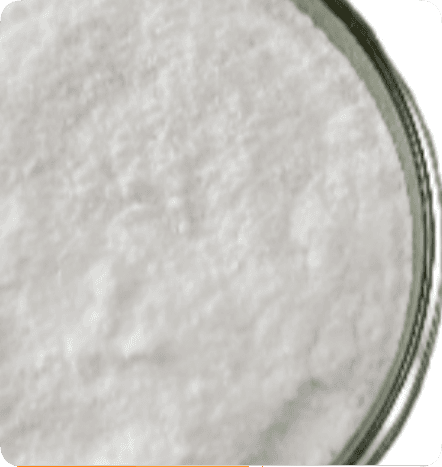
N-Acetyltaurine is an amino sulfonic acid derivative formed by the acetylation of taurine at the nitrogen atom . It presents as a white to off-white solid with a melting point of 181-183°C . The compound exhibits solubility in methanol and water, with a molecular weight of 167.18 . As a sulfonate, N-Acetyltaurine plays a significant role in microbial metabolism—it can be utilized by specific bacterial strains (such as Delftia acidovorans NAT) as a sole source of fixed nitrogen or carbon . The degradation pathway involves cleavage by a highly active amidase, yielding acetate and taurine, which is further metabolized via taurine dehydrogenase to ammonium and sulfoacetaldehyde . Additionally, N-Acetyltaurine serves as a substrate for porcine kidney N-acetyl-β-alanine deacetylase (EC 3.5.1.21), making it valuable for enzymological studies . For research purposes, it should be stored under refrigerated conditions .

Características

Melting point: 181-183°C

Density: 1.404±0.06 g/cm3(Predicted)

Storage temp.: Refrigerator

Solubility: Methanol (Slightly), Water (Slightly)

Form: Solid

Pka: 1.39±0.50

Color: White to Off-White

Aplicaciones

1.Microbiological Research: N-Acetyltaurine is employed as a growth substrate for studying microbial metabolism and degradation pathways. It serves as a carbon source, nitrogen source, and energy source for specialized bacterial strains such as Delftia acidovorans NAT, enabling investigation of sulfonate assimilation and desulfonation mechanisms.

2.Enzymology and Biochemical Research: The compound functions as a substrate for amidase enzymes, particularly porcine kidney N-acetyl-β-alanine deacetylase (EC 3.5.1.21), facilitating studies on enzyme kinetics, substrate specificity, and catalytic mechanisms . It is also available as an analytical standard for qualitative and quantitative research experiments using HPLC, GC, and MS methodologies.

Solicite muestras gratuitas

¿Le interesa probar nuestros ingredientes? Solicite muestras gratuitas para evaluar la calidad y el rendimiento en sus formulaciones.