
Astaxanthin product banner

Astaxanthin

472-61-7
Astaxanthin
Astaxanthin

AstaxanthinAnti-aging
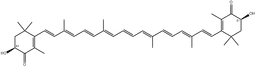
구조식: Astaxanthin 구조식
CAS: 472-61-7
MF: C40H52O4
MW: 596.85
동의어
3,3'-DIHYDROXY-B,B-CAROTENE-4,4'-DIONE3,3-DIHYDROXY-B,B-CAROTENE-4,4-DIONEASTAXANTHINAXNAstazine 5%(3S,3’S)-3,3’-Dihydroxy-.beta.,.beta.-carotene-4,4’-dioneHAEMATOCOCCUS PLUVIALISNanoactive Asta
용도

Astaxanthin is a naturally occurring carotenoid with exceptionally strong antioxidant activity. It is primarily used as a feed additive and functional colorant in aquaculture, poultry farming, and the food industry. Concurrently, it serves as a crucial raw material for developing high-end health supplements, pharmaceuticals, and cosmetics aimed at enhancing immunity, reducing inflammation, and protecting cardiovascular and ocular health.

사양
99%+
설명

개요

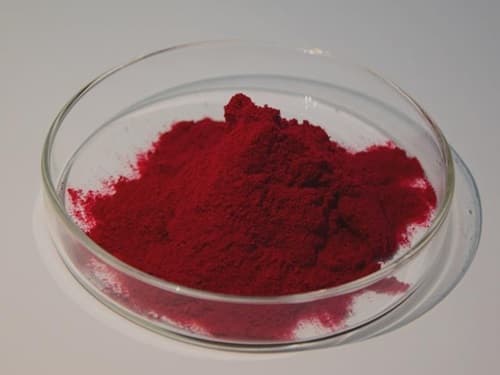
Astaxanthin is a ketocarotenoid with a pink color. It is fat-soluble, insoluble in water, but soluble in organic solvents, making it a pigment with both lipophilic and some hydrophilic properties. It is widely distributed in nature, particularly in aquatic animals (e.g., shrimp, crab, fish) and certain algae and yeast, where it primarily functions as a colorant. The human body cannot synthesize astaxanthin on its own.

Astaxanthin is a non-provitamin A carotenoid, meaning it cannot be converted into vitamin A in animals. Its most notable characteristic is its extremely potent antioxidant capacity, earning it the title “King of Antioxidants.” Its antioxidant activity is reportedly 550 times that of vitamin E and 10 times that of beta-carotene. It is one of the strongest known natural antioxidants, effectively scavenging free radicals and reducing lipid peroxidation.

EINECS: 207-451-4

Product Categories: Plant extracts;Intermediates & Fine Chemicals;Carotenoids;Pharmaceuticals

특성

Appearance & Form: powder, pink to very dark purple

Melting Point: 215-216 °C

Boiling Point: 568.55°C (rough estimate)

Density: 0.9980 (rough estimate)

Storage Temperature: -20°C

Solubility: DMSO: soluble 1mg/mL (warmed)

pKa: 12.33±0.70 (Predicted)

LogP: 8.163 (est)

Stability: Light Sensitive

응용 분야

Leveraging its exceptional antioxidant and other biological activities, astaxanthin finds wide application and holds significant potential in multiple fields:

1. Aquaculture and Animal Husbandry:

Feed Additive: Used as a functional pigment primarily in feed for fish (e.g., salmon, trout), crustaceans (e.g., shrimp, crab), and poultry.

Functions: Improves the body color and flesh quality of farmed animals, enhances reproductive capacity and survival rates, and boosts overall health status.

2. Food Industry:

Natural Colorant: Due to its vibrant pink color, it is used as a food additive for coloring.

Preservation and Nutritional Enhancement: Studies show it aids in preserving aquatic products (e.g., trout fillets) and can serve as a nutritional fortifier.

3. Cosmetics Industry:

Premium Additive: Thanks to its superior antioxidant power, it is an effective ingredient in high-end anti-aging and sun care cosmetics, used to protect skin cells and combat UV damage.

4. Health Supplements and Pharmaceutical Field (Core Development Direction):

Functional Nutraceutical Ingredient: Used in developing health products targeting:

Antioxidation & Anti-Aging: Scavenges free radicals, acting as a “true anti-aging” component; beneficial for brain health as it can cross the blood-brain barrier.

Immune Enhancement: Protects immune cells from free radical damage, significantly boosting human immunity.

Anti-Fatigue: Binds to skeletal muscle, clearing exercise-induced free radicals and enhancing aerobic metabolism, resulting in a significant anti-fatigue effect.

Ocular Health: Has a preventive and therapeutic effect on eye diseases caused by diabetes.

Lipid Regulation & Cardiovascular Health: Studies indicate it can significantly increase high-density lipoprotein (HDL) and decrease low-density lipoprotein (LDL), showing potential for preventing arteriosclerosis and coronary heart disease; animal trials show it can improve blood flow and vascular tone in hyperglycemic models.

Anti-Inflammation: Exerts indirect anti-inflammatory effects through antioxidation, reducing human inflammatory markers (e.g., C-reactive protein).

Pharmaceutical Research Potential: Scientific research is highly focused on its effects in preventing and treating:

Cancer: Possesses tumor-suppressive, anti-proliferative, anti-metastatic, and pro-apoptotic effects on cancer cells (in vitro studies show it upregulates connexin 43 for potential chemoprevention).

Metabolic Syndrome & Diabetes: Animal studies show it can lower blood sugar and improve several indicators of diabetic metabolic syndrome.

Neurodegenerative Diseases.

Skin Diseases: Shows good therapeutic effects against UV-induced skin cancer.

무료 샘플 요청

당사 원료 테스트에 관심이 있으신가요? 제형에서 품질과 성능을 평가할 수 있도록 무료 샘플을 요청하세요.