
26046-90-2


L-Se-Methylselenocysteine is primarily used as a highly effective and safe selenium nutritional fortifier to prevent selenium deficiency. Additionally, it exhibits potent cancer chemopreventive activity, acting as an inhibitor of DMBA-induced mammary tumors and inducing apoptosis in cancer cells.
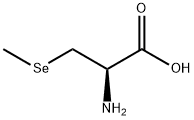
L-Se-Methylselenocysteine, also known as 3-(Methylseleno)-L-alanine, is the selenium-methylated derivative of L-selenocysteine, the 21st essential amino acid. It is a naturally occurring organic selenium compound predominantly found in selenium-accumulating plants such as garlic, onions, broccoli, and Astragalus, as well as in selenium-enriched yeast. Recognized for its well-defined chemical structure, low toxicity, high bioavailability, and superior selenium supplementation efficacy, it represents one of the safest and most effective forms of organic selenium. In the human body, it is directly cleaved by the β-lyase enzyme to produce methylselenol, the key active metabolite, earning it the name "Methylselenol precursor." Due to its excellent properties, it was approved by the U.S. FDA in 2002 as a new generation of selenium dietary supplement. Subsequently, in 2009, it was sanctioned by China's Ministry of Health as a novel food nutrition fortifier. Beyond basic nutrition, L-Se-Methylselenocysteine possesses diverse physiological activities, including potent antioxidant, anti-inflammatory, anti-cancer, and anti-diabetic effects. Its antioxidant mechanism involves both direct free radical scavenging and indirect action as a central component of antioxidant enzymes like glutathione peroxidase (GSH-Px) and thioredoxin reductase (TrxR). Its anti-inflammatory action is achieved by inhibiting the production of pro-inflammatory mediators and cytokines in macrophages. Crucially, its anti-cancer properties are linked to its selective cytotoxicity towards tumor cells and its ability to enhance the efficacy of certain chemotherapeutic agents while mitigating their side effects.
EINECS: 251-228-4
Product Categories: AntioxidantCancer Research;Biochemicals Found in Plants;Antioxidant and Free Radical ScavengersApoptosis and Cell Cycle;Cell Cycle;Chemopreventive Agents;Nutrition Research;Cell Cycle Regulators;food additives
Melting point:177 °C(dec.)
Boiling point: 314.1±37.0 °C
Storage temp.: Keep in dark place,Inert atmosphere,2-8°C
Solubility: DMSO (Slightly), Water (Slightly)
Pka: 2.17±0.10
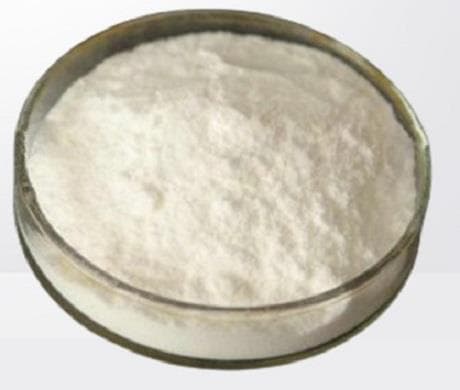
Form: Powder
Color: White to slightly yellow
LogP: -0.043 (est)
The applications of L-Se-Methylselenocysteine span nutritional fortification, dietary supplementation, and potential therapeutic support, leveraging its multifaceted biological activities.
1.Nutritional Fortification and Dietary Supplements:
Selenium Supplement: It is used as a primary ingredient in nutritional supplements to address selenium deficiency, offering a highly safe and bioavailable source of organic selenium.
Antioxidant Formulations: It serves as a core active ingredient in advanced antioxidant health products. When combined with synergistic partners like Vitamin E, Vitamin C, grape seed extract, lycopene, and tea polyphenols, the formulation's antioxidant potential is maximized. This combination effectively scavenges free radicals, prevents oxidative damage, and combats aging, filling a key niche in the functional food market for products based on this specific selenium compound.
2.Pharmaceutical and Biomedical Applications:
Cancer Prevention and Adjunctive Therapy: It is studied as a promising cancer chemopreventive agent due to its ability to selectively inhibit the proliferation of various cancer cells (including breast, prostate, liver, colorectal, and lung cancers) and induce apoptosis. Furthermore, it shows potential in reducing the toxic side effects associated with chemotherapy drugs like cisplatin and oxaliplatin, thereby increasing the therapeutic selectivity of these anti-tumor drugs.
Anti-inflammatory Applications: Based on its mechanism of inhibiting pro-inflammatory mediators and cytokines in macrophages, it has potential applications in managing and alleviating chronic inflammatory conditions.
Diabetes Management: Emerging research indicates its utility in diabetes, where it exhibits insulin-like effects by stimulating glucose transport in fat and muscle cells and modulating key enzymes involved in glycolysis, gluconeogenesis, and other metabolic pathways, showing a beneficial impact on diabetic animal models.
Detoxification: It may play a role in aiding the detoxification and elimination of heavy metals from the body.
당사 원료 테스트에 관심이 있으신가요? 제형에서 품질과 성능을 평가할 수 있도록 무료 샘플을 요청하세요.